AI-generated videos about Iran-Israel conflict spread online
AI-generated news videos quietly shape conflict perceptions
Amidst the escalating tensions between Iran and Israel, a concerning digital phenomenon has taken root. AI-generated videos purporting to show war footage and news reports are proliferating across social media platforms, blurring the lines between reality and fabrication at a time when accurate information is critically important. This growing trend represents a new frontier in misinformation that combines sophisticated technology with geopolitical events.
Key developments worth understanding:
-
AI tools like Runway, Sora, and Synthesia are being used to create convincingly realistic but entirely fabricated videos about the Iran-Israel conflict, including false footage of military actions and destruction that never occurred.
-
Social media platforms are struggling to identify and moderate this content effectively, as users often fail to disclose when videos are AI-generated, leading many viewers to believe they're watching authentic news footage.
-
These fabricated videos aren't just technical curiosities—they're actively shaping public perception of real conflicts, potentially influencing policy decisions and escalating tensions in already volatile situations.
-
The technology has democratized sophisticated video creation, allowing virtually anyone with access to these tools to produce what appears to be professional news coverage with minimal technical expertise.
Why this matters beyond the headlines
The most troubling aspect of this development is how AI-generated content is undermining the fundamental information ecosystem we rely on during international crises. When fabricated videos are nearly indistinguishable from authentic footage, the public's ability to form fact-based opinions about complex geopolitical events becomes severely compromised. This isn't merely about individual videos being misleading—it represents a structural challenge to how societies process information during critical moments.
As Brandie Nonnecke, director of UC Berkeley's CITRIS Policy Lab noted in the video report, these technologies are making misinformation both more accessible to create and more difficult to detect. We're witnessing the emergence of what some experts call "synthetic media pollution"—an environment where the digital information space becomes so contaminated with fabricated content that determining truth becomes increasingly challenging, if not impossible.
This matters intensely in the context of international conflicts, where public opinion can influence diplomatic approaches, humanitarian responses, and even military decisions. When the foundational facts about what's actually happening on the ground become contested or obscured, the entire framework
More videos
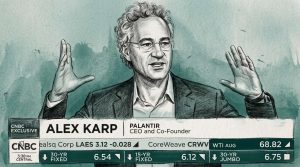
Alex Karp just told CNBC the AI industry is “effing insane.”
He’s right about one thing: AI isn’t overhyped, it’s mispriced. He’s also the guy selling you the fix....

Claude Fable 5: When Capability Meets Economics
Anthropic released Cloud Fable 5 with a paradox built in: safeguards sophisticated enough to let a mythosclass model...

Run Agentic AI Entirely on Your Mac—No Cloud, No Latency, No Privacy Tradeoffs
Apple’s MLX framework is mature enough now that you can run serious agentic AI workflows locally on Silicon...